When is author supervision worth it for an interior design project?
Author supervision is not a luxury on site — it helps your interior design vision survive build-out. When it pays off, typical costs and what to expect in Tricity.
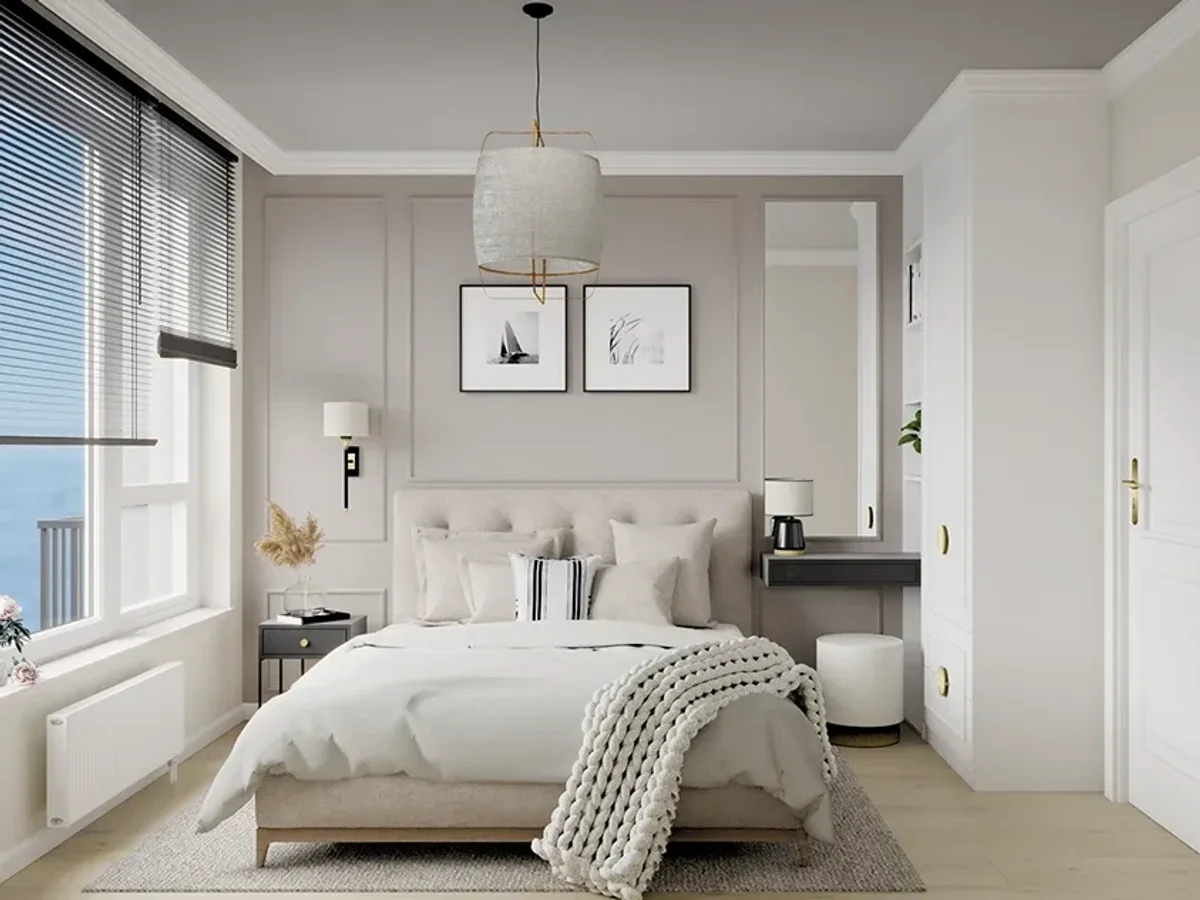
You have a finished interior design — floor plans, visualisations, material schedules. In theory, you hand the documentation to contractors and wait for the result. In practice, questions almost always arise on site: a different tile shade, a clash between installations, a change in joinery dimensions, a delay in furniture delivery. That is when author supervision makes the difference between an interior “from the project” and one “similar to the project”.
What is author supervision?
Author supervision is a service in which the interior designer supports you through the build-out phase. It does not replace a site manager or the contractor — it complements the design with ongoing decisions, compliance checks, and contact with the trades.
At DeMāre Studio, author supervision includes:
- site visits during construction or finish installation;
- verification that work matches the design documentation;
- consultations with contractors on details;
- help with material and logistics issues;
- final handover and a snag list for corrections.
It is a partnership at the stage when most mistakes already cost real money — not just on paper.
When does author supervision make the most sense?
With bespoke joinery
Kitchens, wardrobes, dressing rooms, and sloped-ceiling cabinetry require millimetre precision. If the contractor interprets the drawing differently from the designer, the fix is often expensive and time-consuming. Supervision catches the error before fronts and worktops are installed.
With unusual materials
Microcement, quartz slabs, veneer, slats, decorative plasters, or natural stone — each has its own installation requirements. A designer on site can quickly assess whether the result matches the brief before work continues.
With larger renovations
The more trades involved — plumbing, electrics, joinery, flooring, painting — the more interfaces and potential conflicts. Supervision organises communication: one person knows the project and can decide without guesswork.
When you live outside Tricity
Many of my clients have a remote design process but build-out in Gdańsk, Gdynia, or Sopot. In that situation, author supervision is your eyes on site — you do not have to drive in every week and wonder whether socket layout was done according to plan.
When you want peace of mind, not micro-management
If you do not want to take daily calls from crews and compare tile shades in a shop at 7 p.m. — supervision moves those decisions to someone who has known the whole project from the start.
When author supervision may not be necessary
There are situations where you can limit it or skip it:
- Small cosmetic renovation — painting, replacing lamps, minor furniture without joinery.
- One trusted contractor — for example, a joiner you have worked with on several projects who knows your standard.
- Concept design without technical documentation — if you coordinate contractors yourself and treat the design as inspiration, not a specification.
- Very tight budget — then it is better to narrow supervision to key stages (e.g. kitchen and bathroom only) rather than give up on the design altogether.
In such cases, it is still worth ordering a few targeted visits — for example, before brickwork, before joinery installation, and at handover.
How much does author supervision cost in Tricity?
As a guide in 2026 in Gdańsk, Gdynia, and Sopot:
- single visit: PLN 300–600 net (depending on square footage and location);
- full-project supervision package: PLN 3,000–10,000 net — depending on scope, number of visits, and duration of works.
That is a fraction of the renovation budget for a 50–80 m² apartment, and it often avoids corrections that cost more than the entire supervision package. You can also find project cost examples in the article How much does an interior designer cost in Gdańsk?.
What does the collaboration look like step by step?
- Design complete — you have approved documentation, materials, and schedule.
- Scope of supervision agreed — number of visits, critical stages, reporting method.
- Visits at key moments — before and after finishing works, during joinery installation.
- Notes and decisions — short summary after each visit, snag list, contact with the contractor if needed.
- Final handover — walkthrough of the apartment together with a compliance checklist against the project.
A detailed description of the full design process — from consultation to build-out — is in the article What working with an interior designer looks like.
Common mistakes without supervision
- Wrong height for sockets and switches — discovered only after plastering.
- Different white on walls and ceiling — especially with large glazing.
- Poorly measured kitchen joinery — a drawer does not open, the fridge does not fit.
- Tiles laid in the wrong direction — visible only across the full surface.
- No coordination between trades — electrician and joiner do not “see” each other’s plans.
Each of these can be fixed — but usually at a higher cost than an earlier designer visit.
Summary
Author supervision pays off when the design is detailed, materials are demanding, and the renovation involves many trades. It is an investment in peace of mind and in matching the result to the visualisations — especially in Tricity, where contractor schedules are often tight and decisions need to be made quickly.
If you have a finished interior design or are mid-build in Gdańsk, Gdynia, or Sopot, contact DeMāre Studio — I will propose a supervision scope matched to your renovation, without unnecessary visits and without hidden costs.